Understanding Your Skin Tone
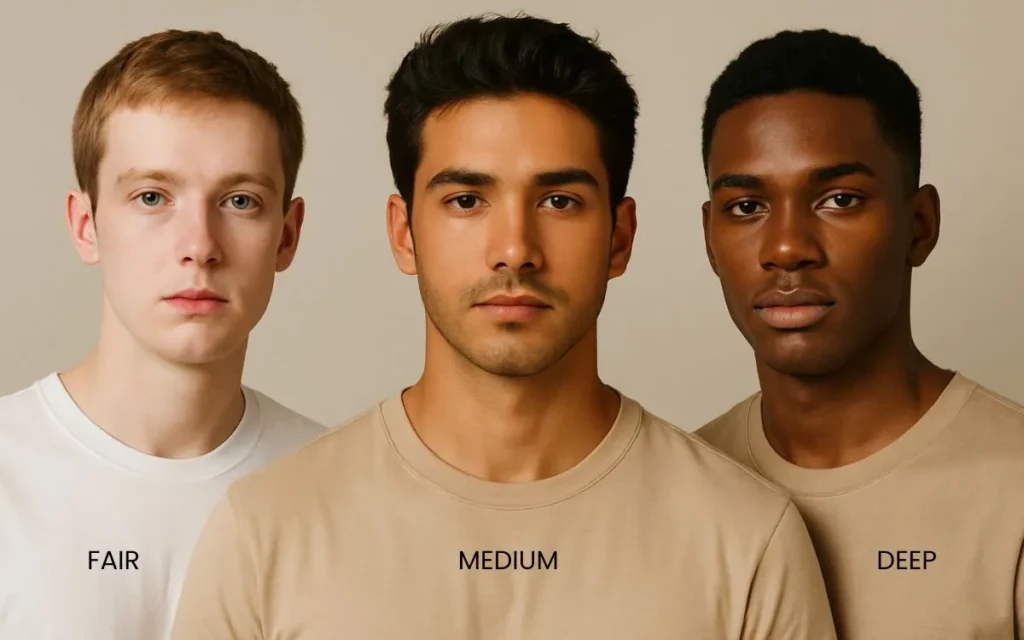
Choosing the right colors becomes easier when you understand your natural skin tone.
Your skin tone can guide you toward shades that complement your overall appearance.
It does not mean you must avoid certain colors completely.
Fashion is about experimenting and finding combinations that make you feel comfortable
Finding Your Skin Tone
Skin tones are commonly grouped into warm, cool, and neutral categories.
Warm skin tones often have golden, yellow, or peachy undertones.
Cool skin tones may have pink, reddish, or bluish undertones.
Neutral skin tones usually combine characteristics of both warm and cool undertones.
A simple way to check your undertone is by looking at your wrist.
If your veins appear greenish, you may have warm undertones.
Bluish or purplish veins can indicate cooler undertones.
If you see both, you may have a neutral undertone.
Colors That Complement Your Undertone
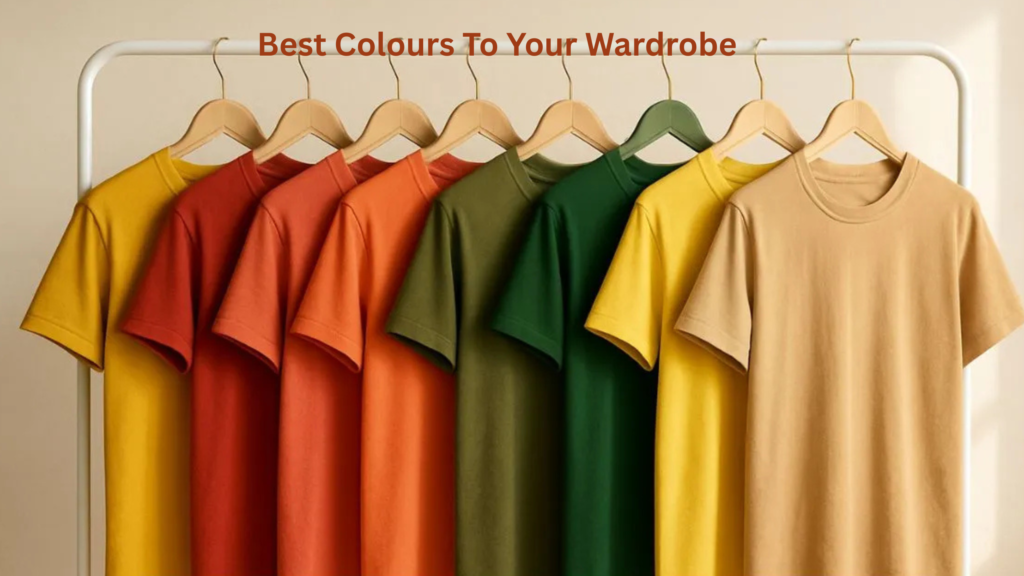
Warm undertones often work nicely with earthy and rich colors.
Olive, brown, mustard, cream, rust, and warm beige can create attractive combinations.
These shades can add warmth without making an outfit look complicated.
Cool undertones can pair well with blue, navy, grey, lavender, and emerald shades.
These colors can create a fresh and balanced appearance.
Neutral undertones have more flexibility and can explore many different color families.
Remember, these are useful guidelines rather than strict fashion rules.
Personal preference should always have a place in your wardrobe.
Experimenting With Confidence
Your skin tone is only one part of choosing colors for men’s fashion wear.
The occasion, season, outfit style, and personal taste also matter.
Try different shirts, trousers, jackets, and accessories to discover what suits you.
Natural lighting can also change how colors appear against your skin.
Therefore, check new outfits in daylight whenever possible.
Take a quick mirror selfie and compare different shades side by side.
Most importantly, wear colors that make you feel confident.
A great outfit should feel comfortable rather than like a complicated fashion exam.
Once you understand your skin tone, choosing men’s fashion wear colors becomes much more enjoyable.
Warm vs Cool Color Choices
Understanding warm and cool colors can make outfit planning much easier.
These color groups can help you create combinations that look balanced and natural.
You do not need to become a color expert overnight.
A little experimentation can make your wardrobe much more interesting.
Understanding Warm Colors
Warm colors usually include red, orange, yellow, mustard, brown, and earthy shades.
These colors often create a lively, energetic, and welcoming appearance.
They can work especially well for casual outfits and relaxed weekend styles.
Try a mustard shirt with dark blue jeans for a cheerful combination.
A rust-colored jacket can also look stylish with neutral trousers.
Brown shoes can add another warm element without making the outfit overwhelming.
Warm colors are also useful during autumn and cooler months.
They can give simple outfits a richer and more comfortable appearance.
Exploring Cool Colors
Cool colors commonly include blue, green, purple, grey, and similar shades.
They often create a calm, clean, and refreshing appearance.
Navy, charcoal, and deep green are particularly easy to include.
A light blue shirt can pair nicely with grey trousers.
Navy trousers can also work with white, beige, or light grey shirts.
For casual outfits, try a green overshirt with neutral jeans.
Cool colors can be excellent choices for office clothing.
They can also create a polished appearance without looking overly formal.
Finding Your Best Color Balance
When learning how to choose colors for men’s fashion wear, balance is important.
You do not need several bright colours
Building a Balanced Wardrobe
A balanced wardrobe makes getting dressed easier and much more enjoyable.
You do not need a closet overflowing with every color imaginable.
A smart collection of versatile shades can create countless outfit combinations.
The trick is choosing colors that work together without causing fashion confusion.
Start With Neutral Colors
Neutral colors are the foundation of a practical men’s wardrobe.
Black, white, grey, navy, beige, brown, and cream are easy to combine.
These shades can support brighter colors without making an outfit look too busy.
A white shirt can work with jeans, trousers, shorts, or formal pants.
Navy trousers can easily match white, grey, beige, or light blue shirts.
Such versatile pieces give you plenty of choices on busy mornings.
When learning how to choose colors for men’s fashion wear, begin with these dependable shades.
They make experimenting with stronger colors much less intimidating.
Add a Few Statement Colors
Once your neutral collection feels comfortable, introduce a few interesting colors.
You could try burgundy, olive green, mustard, teal, rust, or sky blue.
These shades can give familiar outfits a fresh and energetic appearance.
Avoid filling your wardrobe with too many bold pieces at once.
Choose colors that you genuinely enjoy wearing and combine them with simple basics.
For example, a mustard shirt can look excellent with dark jeans.
An olive jacket can also pair nicely with a white T-shirt and beige trousers.
Small changes can make your everyday outfits feel surprisingly different.
Create Easy Color Combinations
A useful wardrobe should make outfit matching simple rather than stressful.
Try building outfits around one main color and supporting it with neutral shades.
You can also create contrast by combining lighter and darker versions of similar colors.
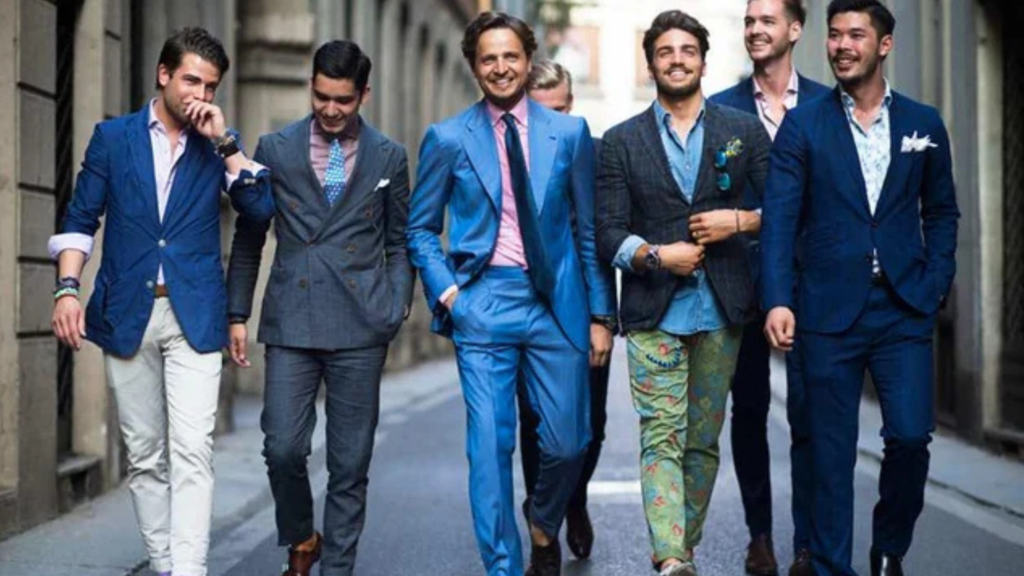
For example, pair a light blue shirt with navy trousers.
A cream shirt can work beautifully with brown trousers and dark shoes.
For casual occasions, try a green T-shirt with black jeans and white sneakers.
Accessories can also add small touches of color without changing your entire outfit.
A watch strap, belt, shoes, or cap can introduce another interesting shade.
Keep Your Wardrobe Flexible
Your wardrobe should suit different occasions, seasons, and moods.
Keep some classic colors available for formal occasions and everyday dressing.
Then add seasonal shades to keep your style feeling fresh.
You can gradually discover which colors make you feel comfortable and confident.
There is no need to follow every fashion trend that appears.
Good color choices should work with your personality and existing clothing.
Ultimately, a balanced wardrobe gives you more outfits with fewer unnecessary pieces.
It also makes choosing your daily look faster, easier, and more enjoyable.
Common Color-Matching Mistakes
Choosing outfit colors should be fun, not a daily battle with your wardrobe.
However, a few simple mistakes can make an outfit look unbalanced.
Understanding these mistakes can make your everyday styling much easier.
Wearing Too Many Bold Colors
One common mistake is combining too many bright colors in one outfit.
A colorful shirt, bright trousers, bold shoes, and vibrant accessories can compete for attention.
The result may look more like a color festival than an outfit.
Instead, choose one noticeable color as your main feature.
Then balance it with neutral shades like black, white, navy, grey, or beige.
For example, try a mustard shirt with navy trousers and brown shoes.
This combination looks interesting without becoming visually overwhelming.
When learning how to choose colors for men’s fashion wear, balance is your helpful friend.
Ignoring Color Contrast
Another mistake is choosing colors that blend together too closely.
Wearing similar shades from head to toe can sometimes make an outfit look flat.
You can create more interest by combining lighter and darker shades.
Try a light blue shirt with dark navy trousers.
You could also pair a cream shirt with dark brown trousers.
These combinations create gentle contrast while keeping the outfit comfortable.
Contrast does not always mean choosing extremely different colors.
Small differences in brightness can make a surprisingly noticeable improvement.
Forgetting Shoes and Accessories
Shoes, belts, watches, and bags also contribute to your overall color combination.
Ignoring these details can make an otherwise great outfit feel slightly disconnected.
Brown shoes usually work nicely with earthy and warm clothing shades.
Black shoes can complement darker, formal, and neutral outfits.
White sneakers can provide a clean finish for many casual combinations.
Try keeping your belt and shoes within a similar color family.
This simple habit can make your outfit appear more coordinated.
Following Trends Without Considering Yourself
Fashion trends can be exciting, but every popular color may not suit your style.
A color can look fantastic online and feel completely different when you wear it.
Your skin tone, personal taste, occasion, and comfort all deserve consideration.
Do not force yourself into colors simply because they are currently popular.
Experiment with smaller pieces before committing to a bold wardrobe change.
A colorful cap or T-shirt can be an easy starting point.
The goal is not perfect color matching every single day.
The goal is creating outfits that feel natural, comfortable, and confidently yours.
Once you understand these common mistakes, choosing men’s fashion wear colors becomes much simpler.

Nice information, it helped me a lot to select the dresses to my skin tone